Alphonse, Madeleine and the others
In Quevaucamps, my grandfather Alphonse’s workshop was surrounded by
greenery. A large door opened onto the forge and its counterpart, the anvil. Both
exemplify the physical connection the craftsman has with molten metal.
He received the Novy bicycles in kit form, ready to be assembled, much like the
contents of IKEA boxes. A wheel consisted of a rim, a hub and dozens of spokes that
had to be put firmly together. Seated on my little chair, I would set about my work.
When I was eight, he taught me how to weld with a blowtorch.
Later on, I met Jo Noorbergen. He had studied monumental sculpture at La
Cambre, graduating in 1971, and was teaching sculpture and modelling at the
Hamaide primary school. On Wednesday afternoons and Saturday mornings, I’d
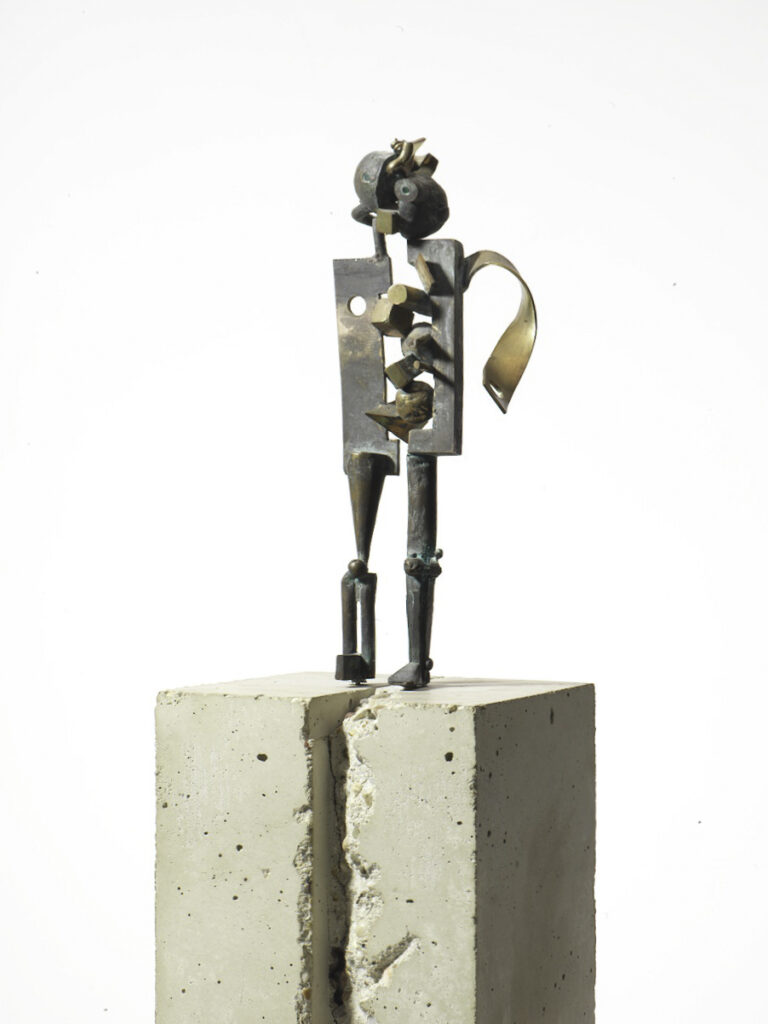
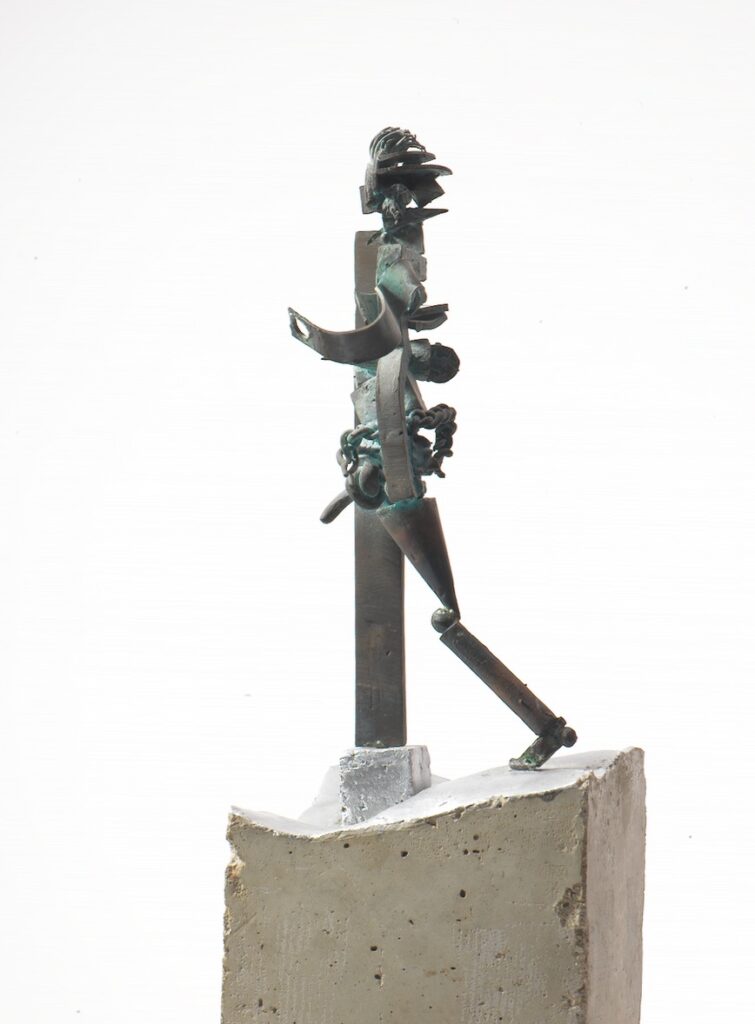
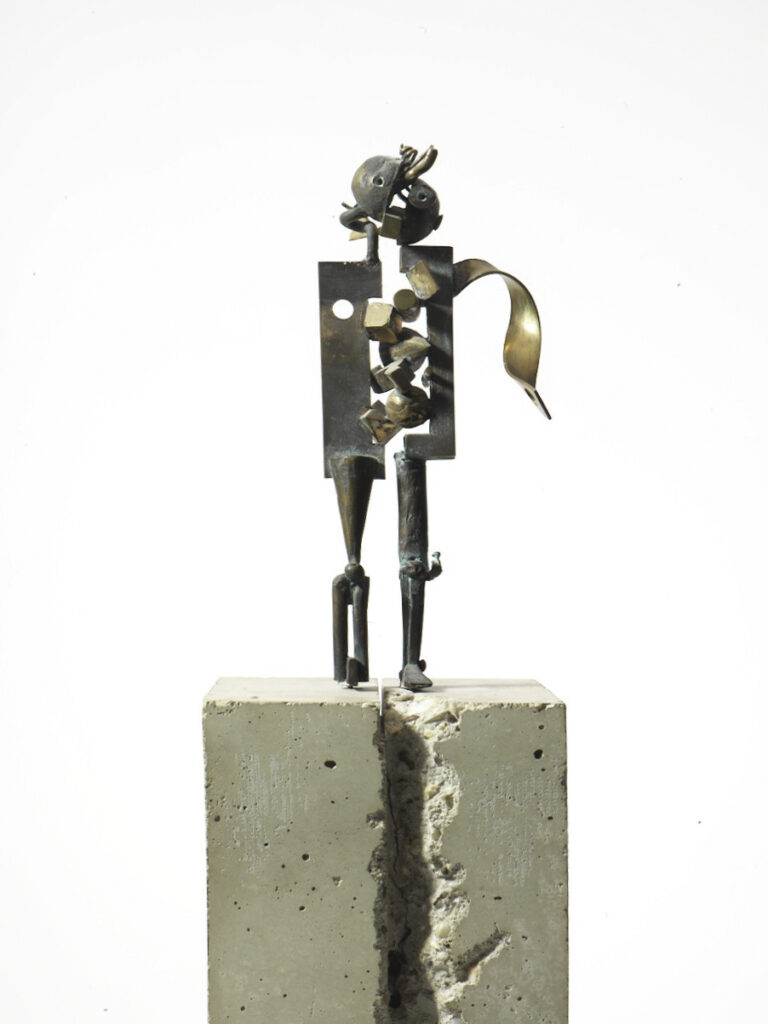
join him in his studio on Rue Crabbegat. It was with him that I created my first
abstract bronze sculptures; among them was a distorted rendering of a hand.
I was twelve years old.
Around the same time, I used to visit a close friend of my father’s, Madeleine
Bourdouxhe. She was a committed activist who supported the Spanish Republicans
and was involved in the resistance against the Nazi occupiers. Her first novel, La
Femme de Gilles, was published by Gallimard in 1937. Later, Jean-Paul Sartre
published ‘Les Jours de la femme Louise’ in Les Temps modernes. She taught me
general knowledge. She smoked menthol cigarettes – North Pole – chain-smoking
while talking to me about Rabelais, Molière and the Hundred Years’ War … I could
listen to her for hours on end. It was with no small amount of pride that I presented
her with one of my bronze sculptures.
Jacques Chariot – we called him Jacky – was an architect. He was part of my
childhood, but I only really discovered him while studying architecture. His
mastery of perspective and painting – he would have made an excellent forger
– fascinated me. But beyond his boundless talent, what I remember most is the
refinement of thought he applied, among other things, to numbers and the spirit of
their proportions.
Jean-Pierre Gabriel