Numbers and randomness
In built architecture, I like to start with a very precise rule and then push it back.
Recognisable by its façade, the Museum of Medicine was built in two phases. For
the first, the composition is based on mathematical concepts: on the one hand, the
golden ratio interpreted in various ways, and on the other, prime numbers: one
groove, three circles, five fundamental shapes, seven arches. In this highly symbolic
space representing the relationship between doctor and patient, between science
and humanity, one of the circles, carved into the stone, is an uroboros – a serpent or
dragon biting its own tail – a figure found in many mythologies; the oldest known
examples are mentioned in the texts of the Egyptian pyramids.
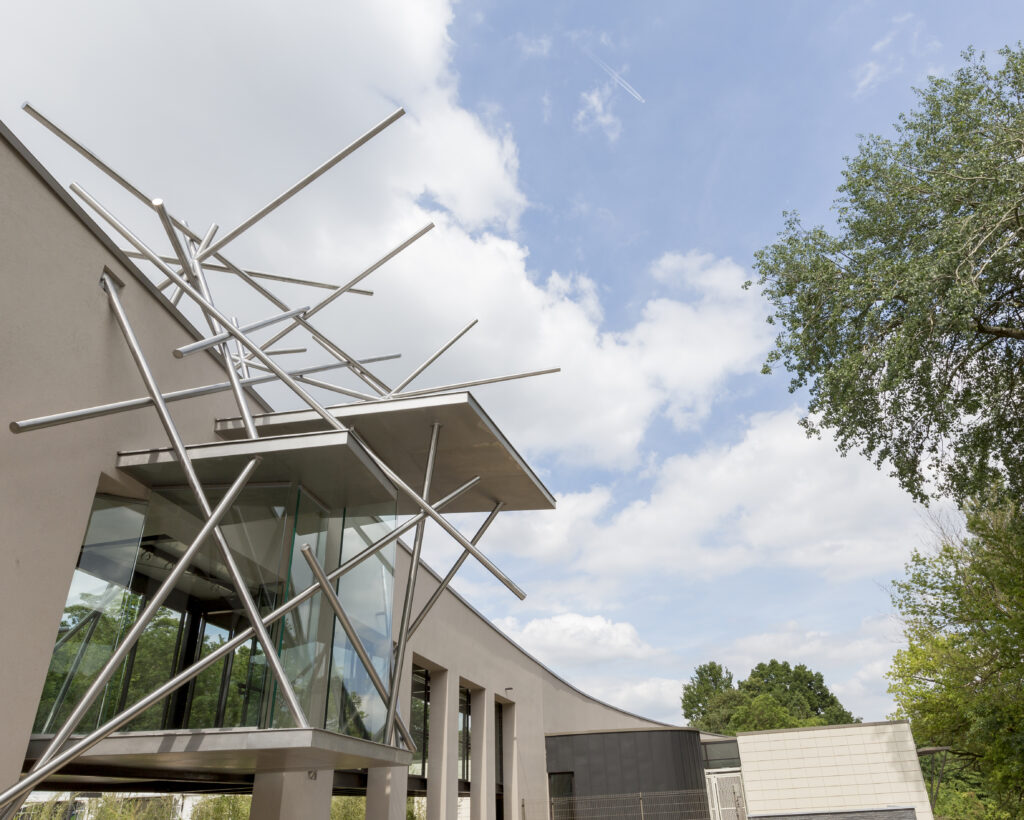
In the extension built a few years later, this order is placed against its opposite:
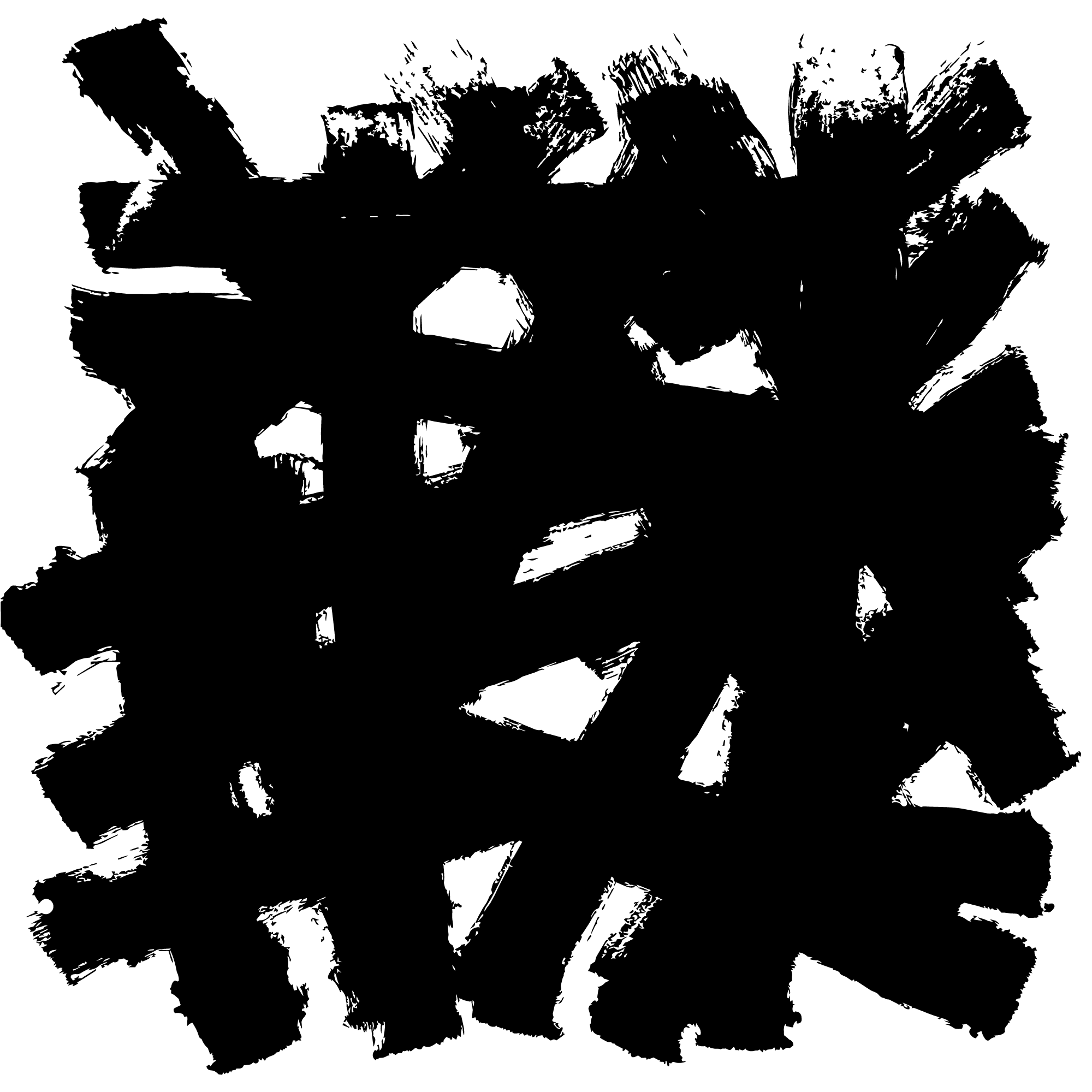
the circles become squares, and order gives way to randomness – that of a simple
complexity that clings to the canopy.
The materials, too, are made to contrast; glass and stone give way to wood and
steel.
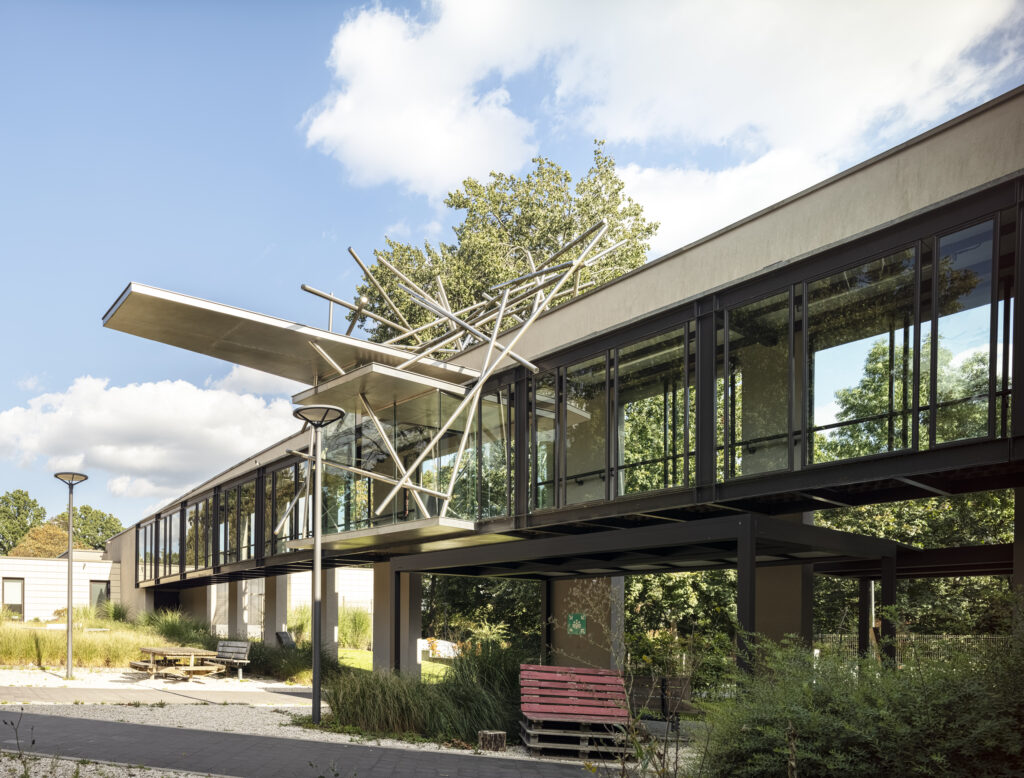
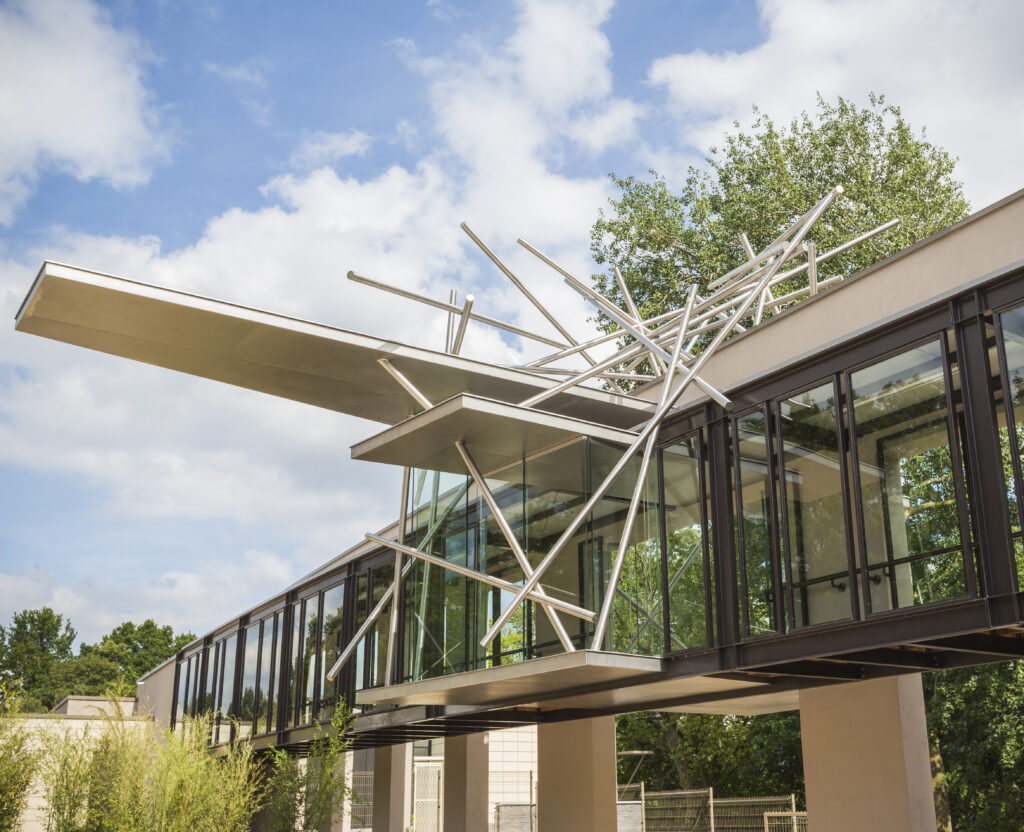
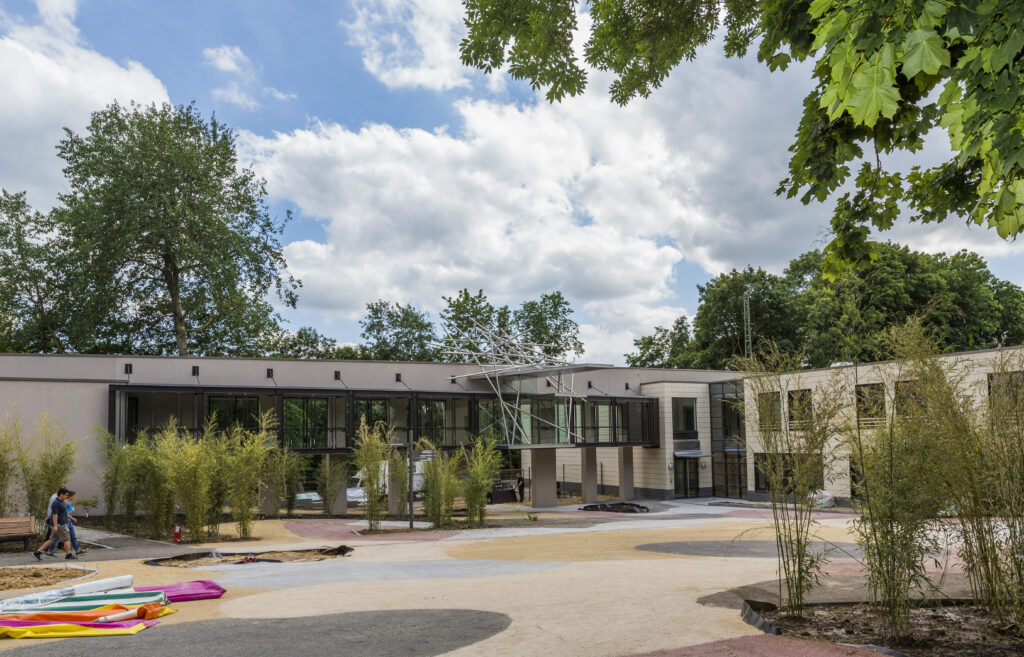
This simple complexity is implemented in the footbridge designed for the Fond’Roy
school. Within this secure psychiatric institution, the interaction between the
architectural gesture and its users responds to the harshness of confinement. The
glass footbridge is a floating space, freeing those who use it from a mundane reality.
At the same time, it immerses users in the foliage of the neighbouring trees. As for
the simple complexity, it can echo the sense of disorder felt by the young people
staying in these premises.
Jean-Pierre Gabriel