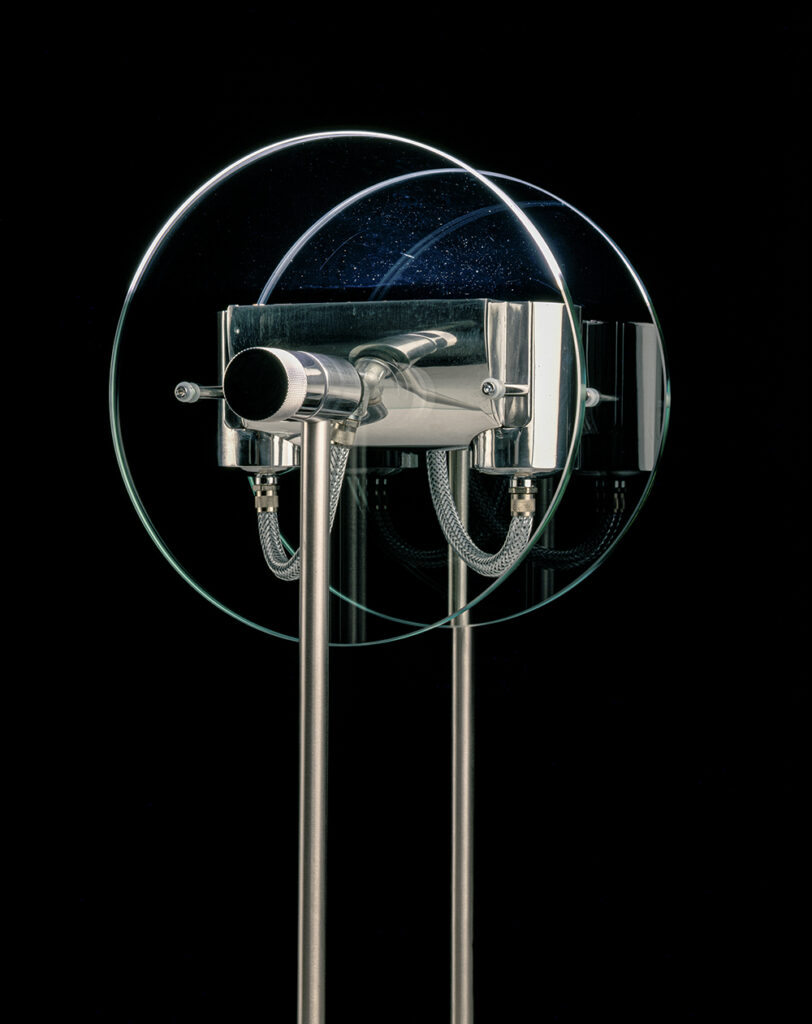
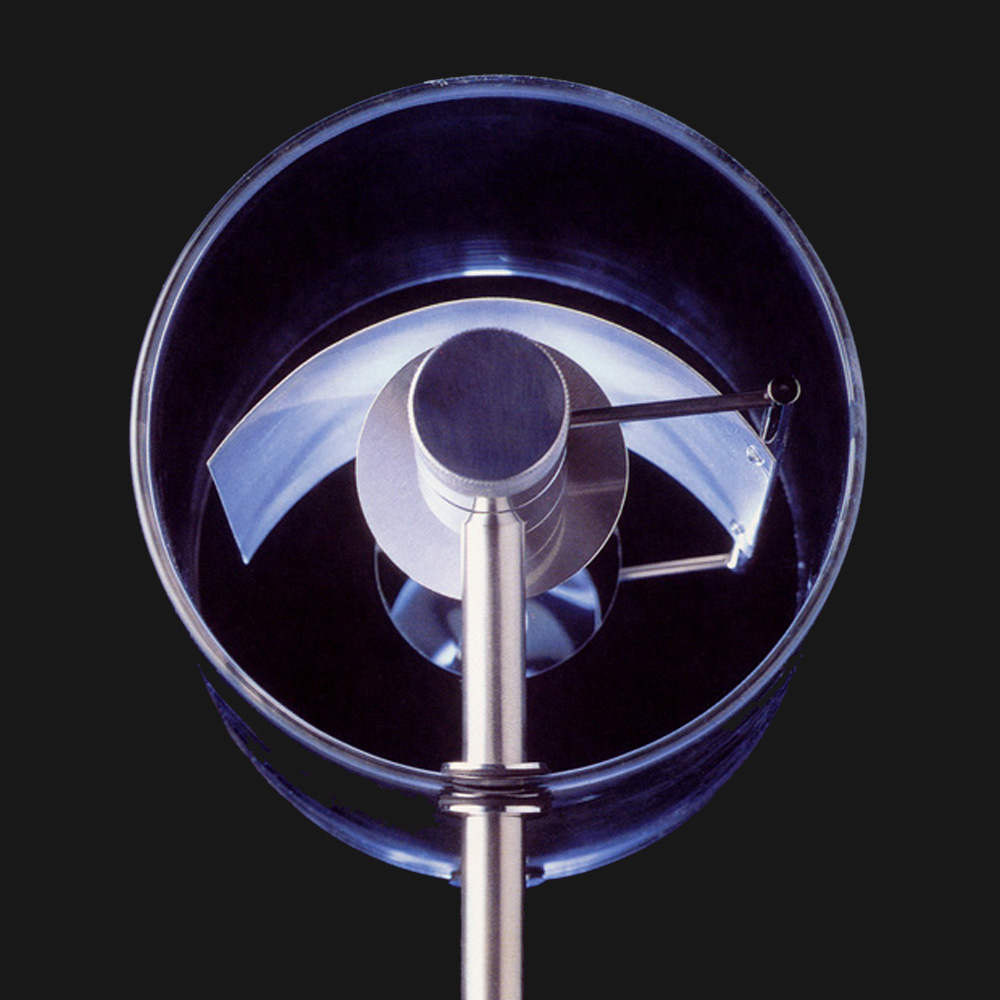
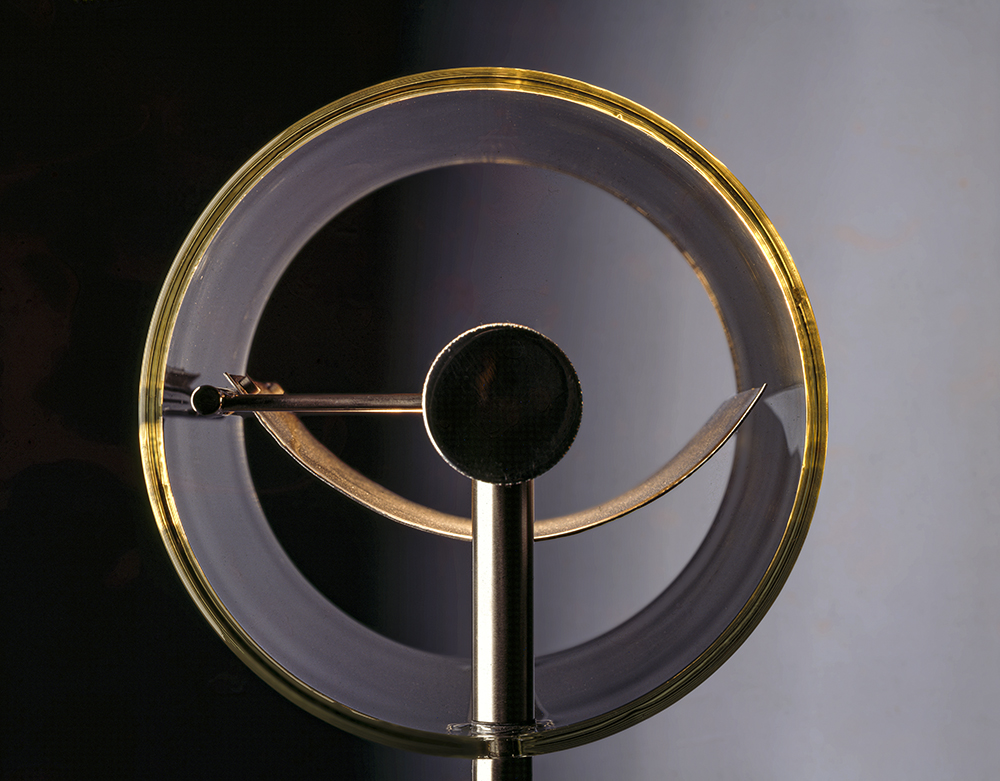
Moonlight
For the comfort of the eye, my lamps prioritise indirect or diffused light.
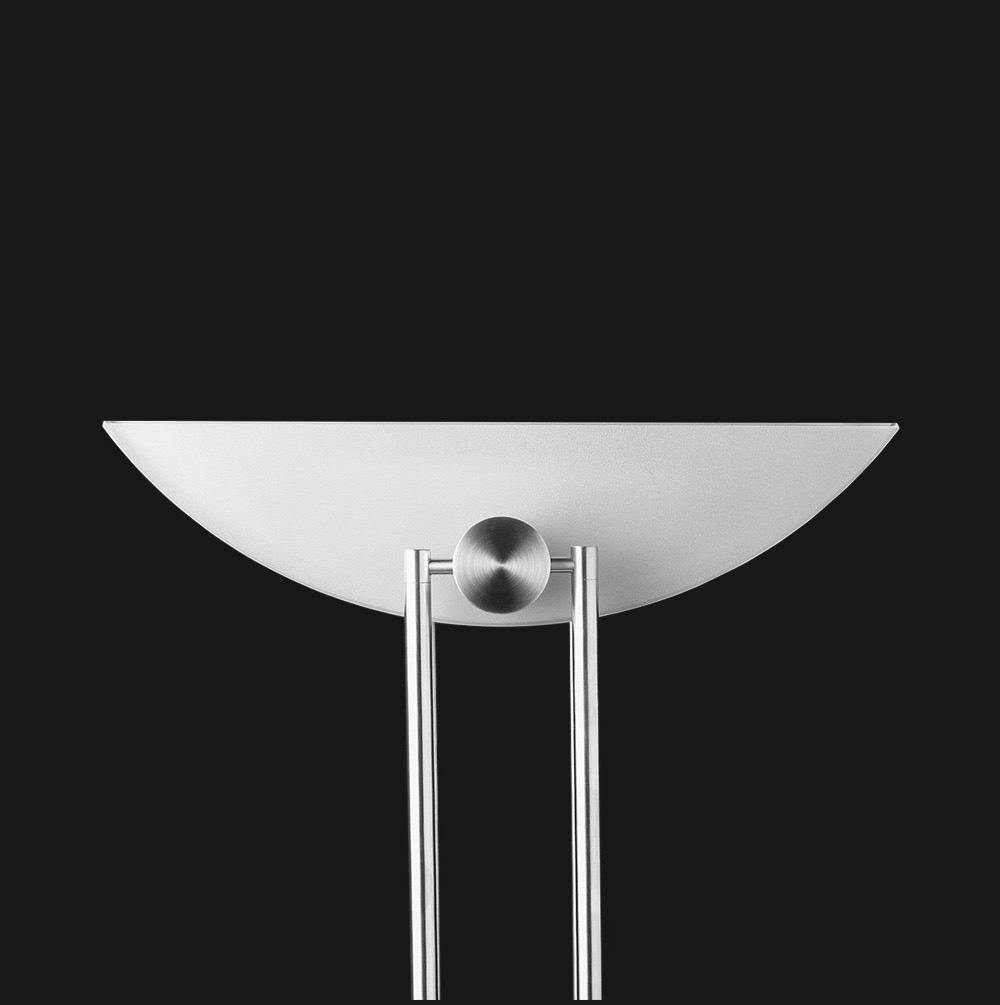
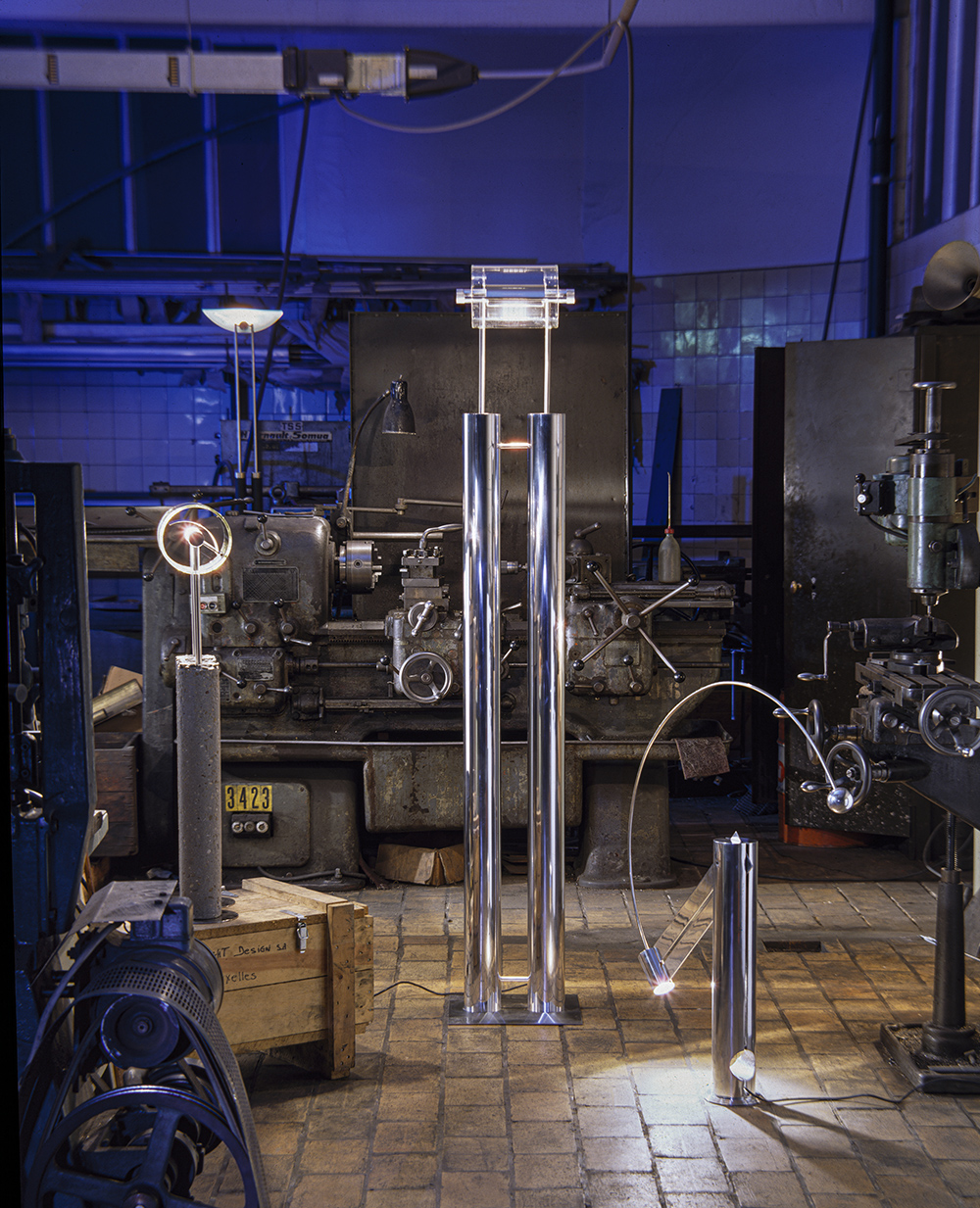
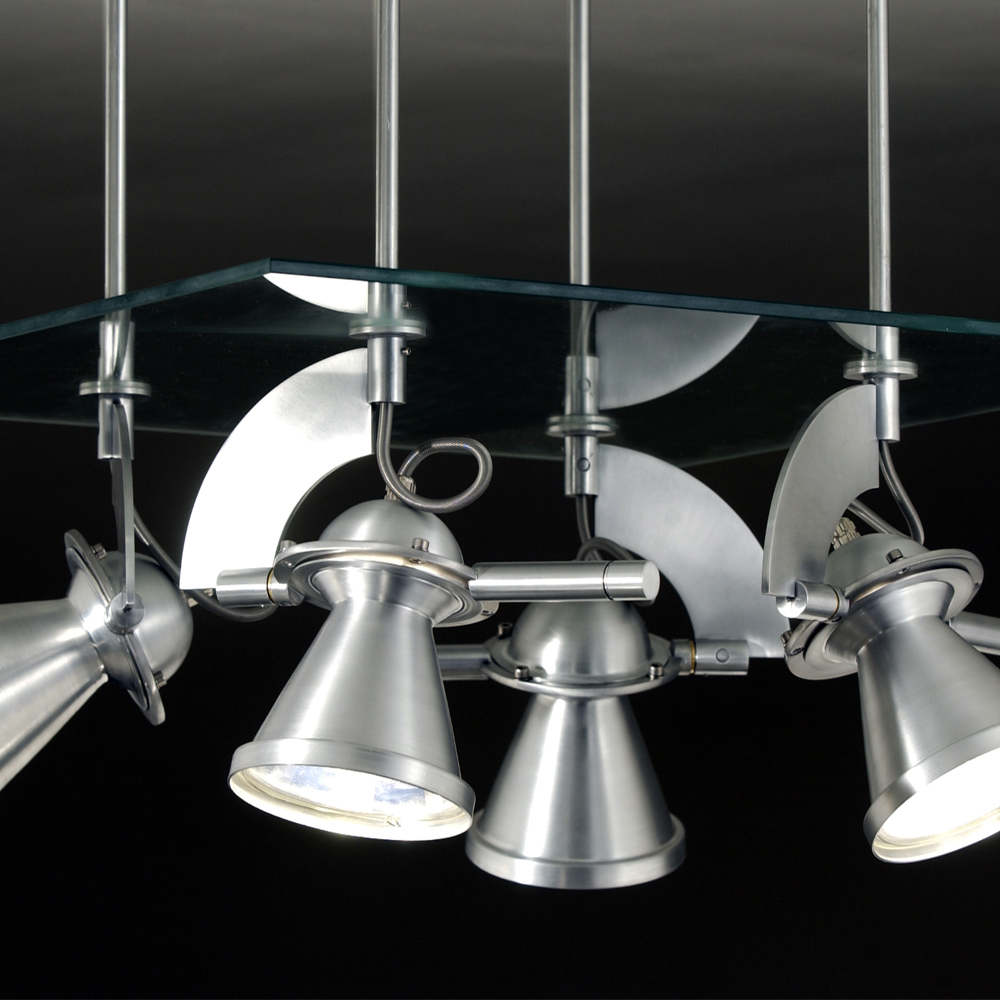
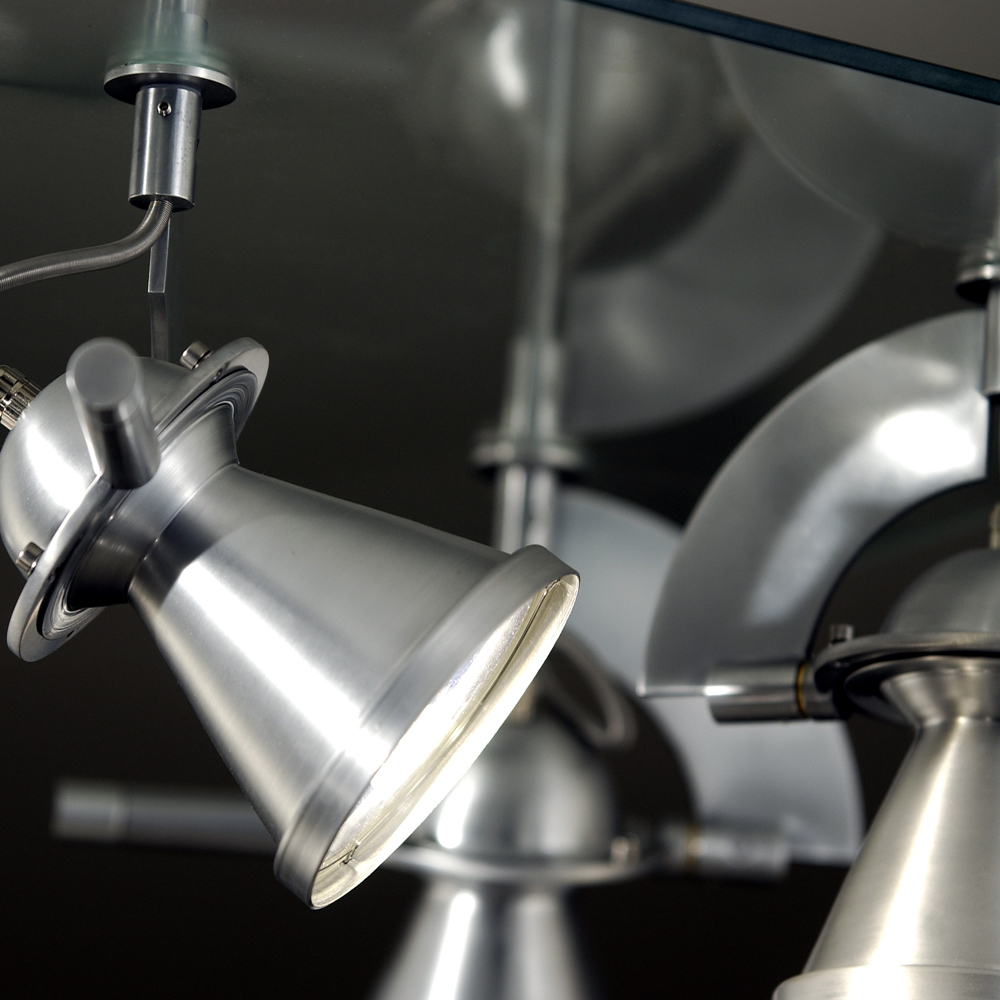
Moonlight can be seen as a series of variations on light. This lamp was presented at the Fondation pour l’Architecture in 1987 in the form of around thirty variations sharing the same design, but distinguished by their bases and the materials used. There was a search for coherence in the choice of materials, something more rigorous, with less leeway. A dialogue developed with the forms. By introducing different materials, you can alter the meaning of the object while retaining the same formal idiom.
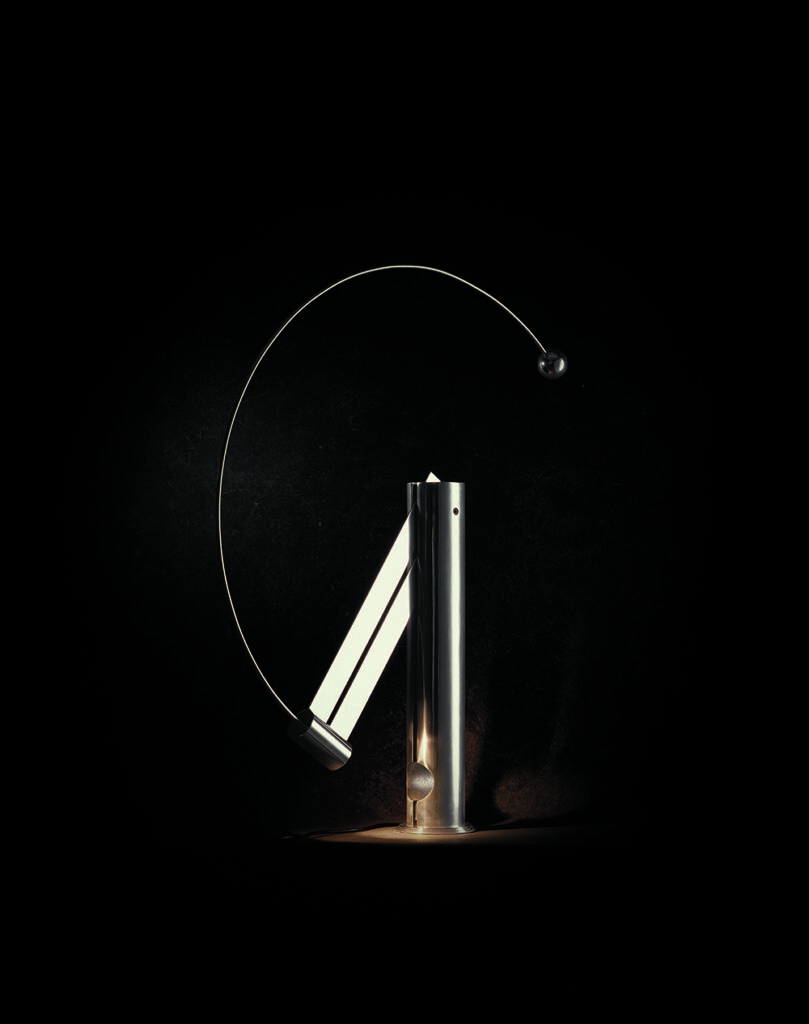
A paradox
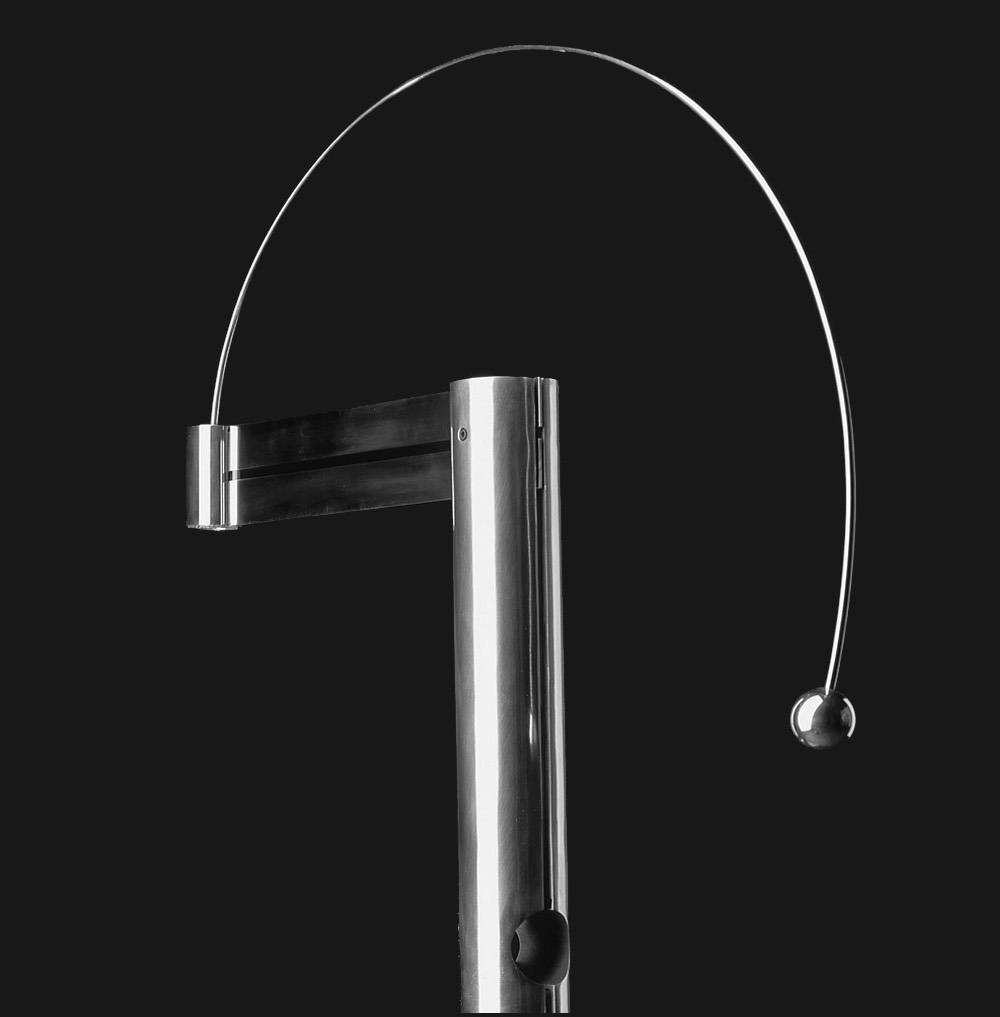
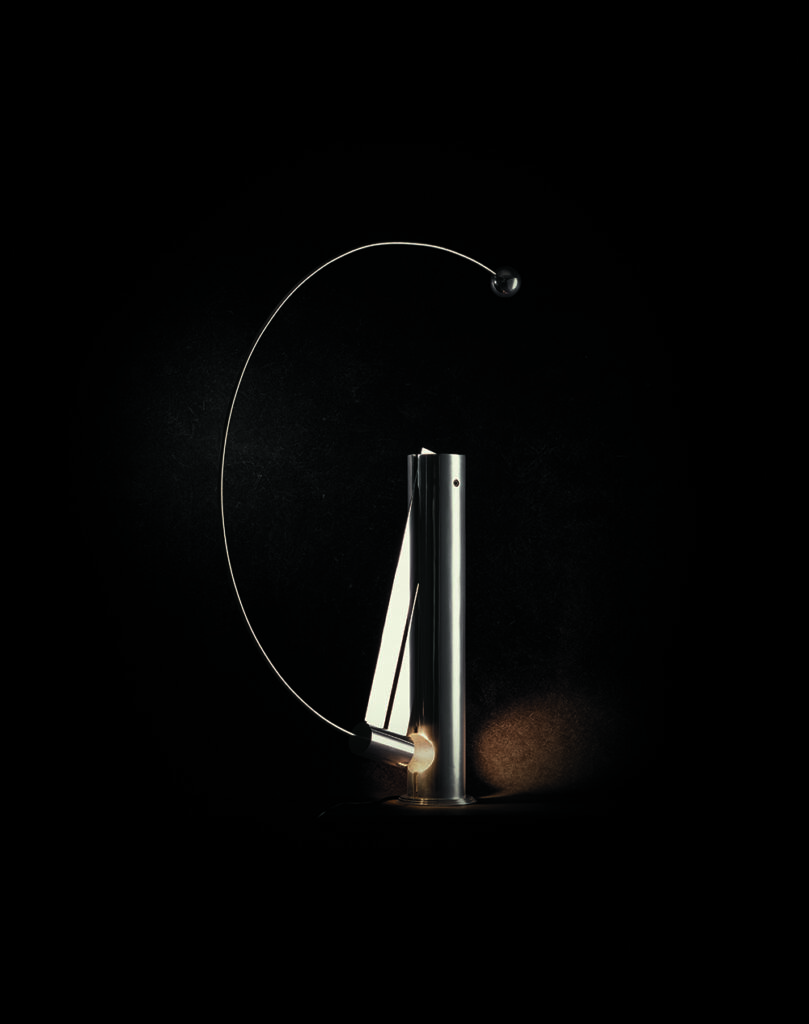
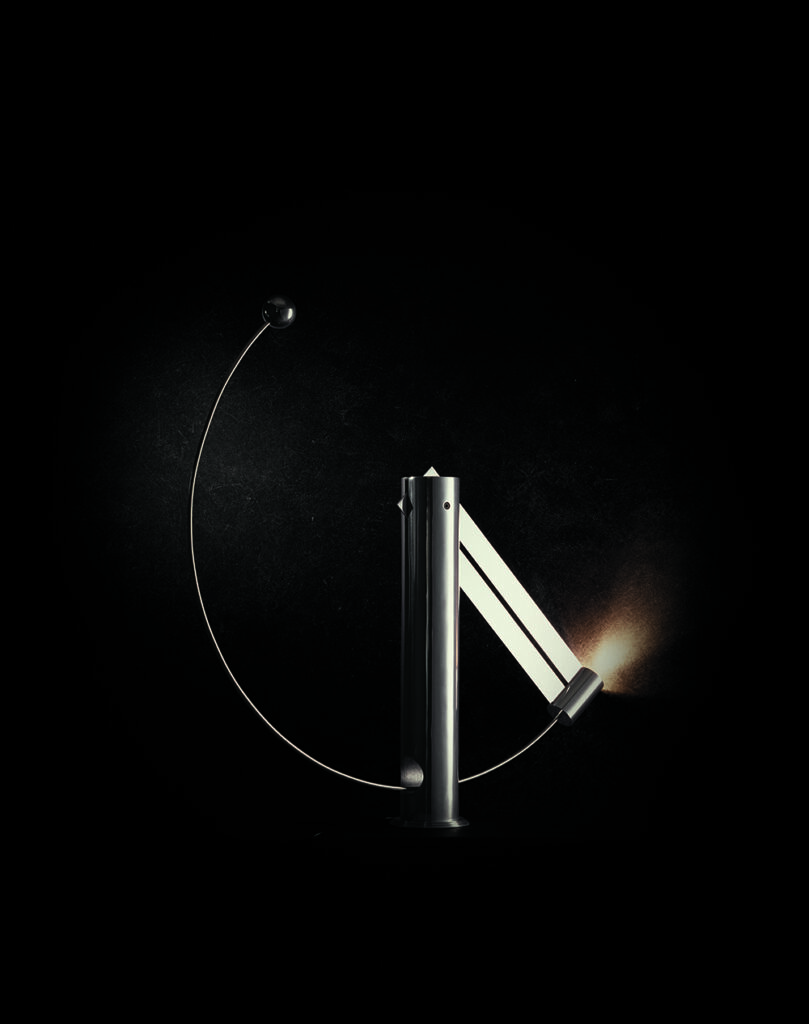
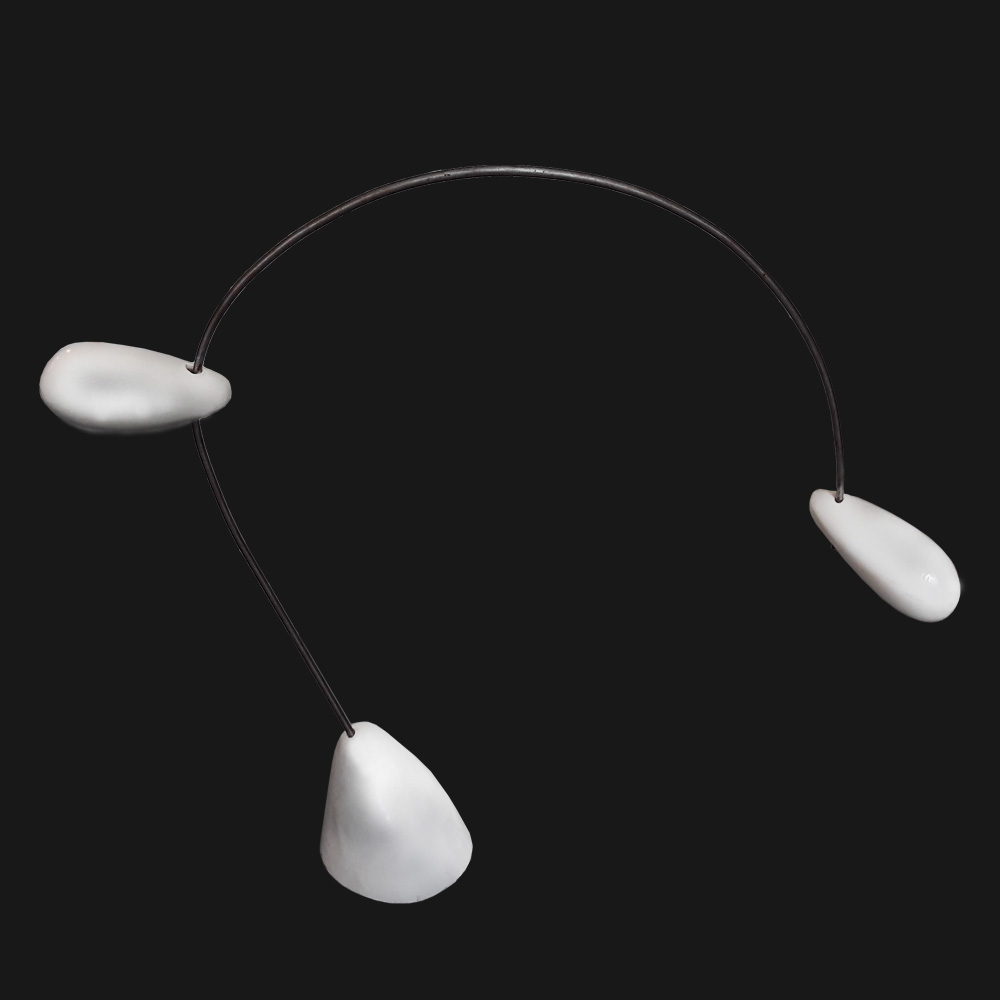
The Paradoxe lamp is based on a paradox, namely that the counterweight rests on the weight of which it is the counterweight. The weight consisting of the lamp and its bulb – and the counterweight sphere are joined by a metal structure forming a semicircle.
This mechanism underlies a rotational movement in a plane. It is supported by a cast aluminium base comprising two half-cylinders. These form, on the one hand, a hollow sphere to fit the counterweight and, on the other, a slit into which a double blade can slide, which is none other than the conductor of electrical information.
Hermès
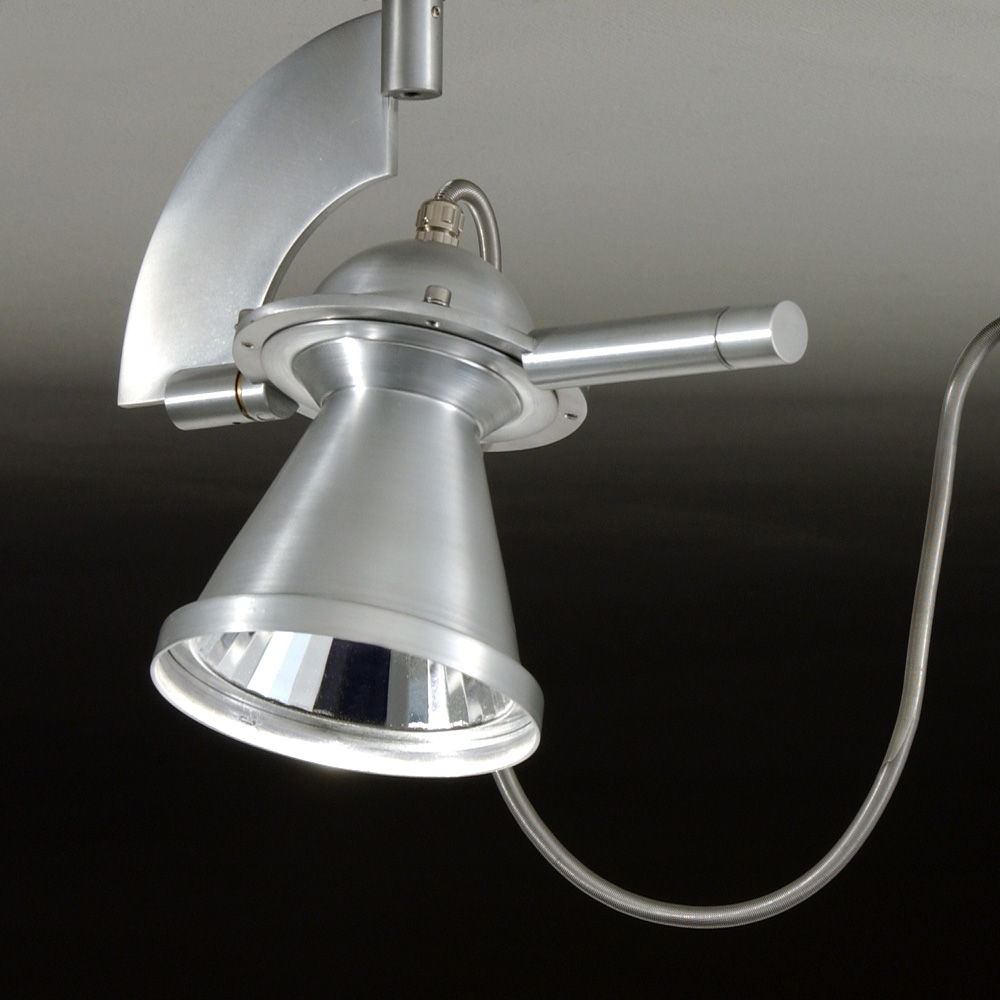
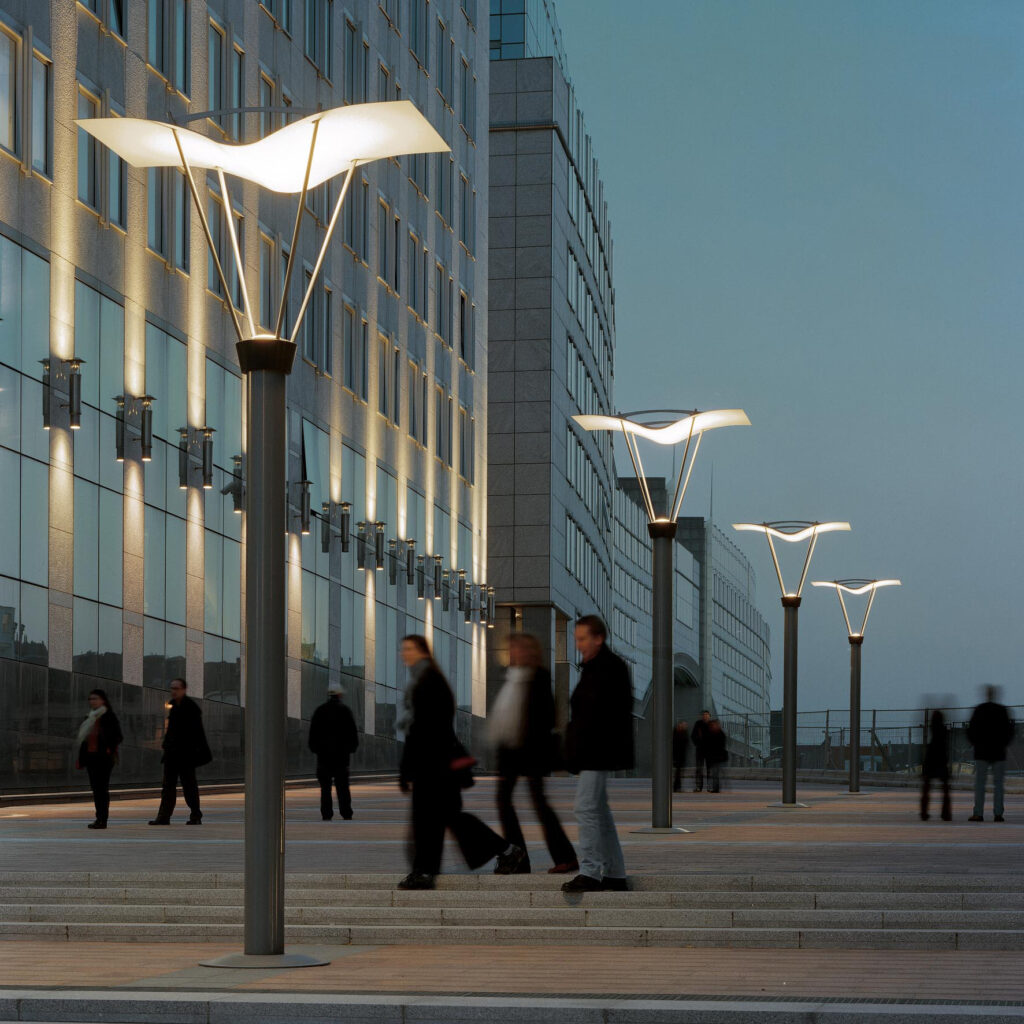
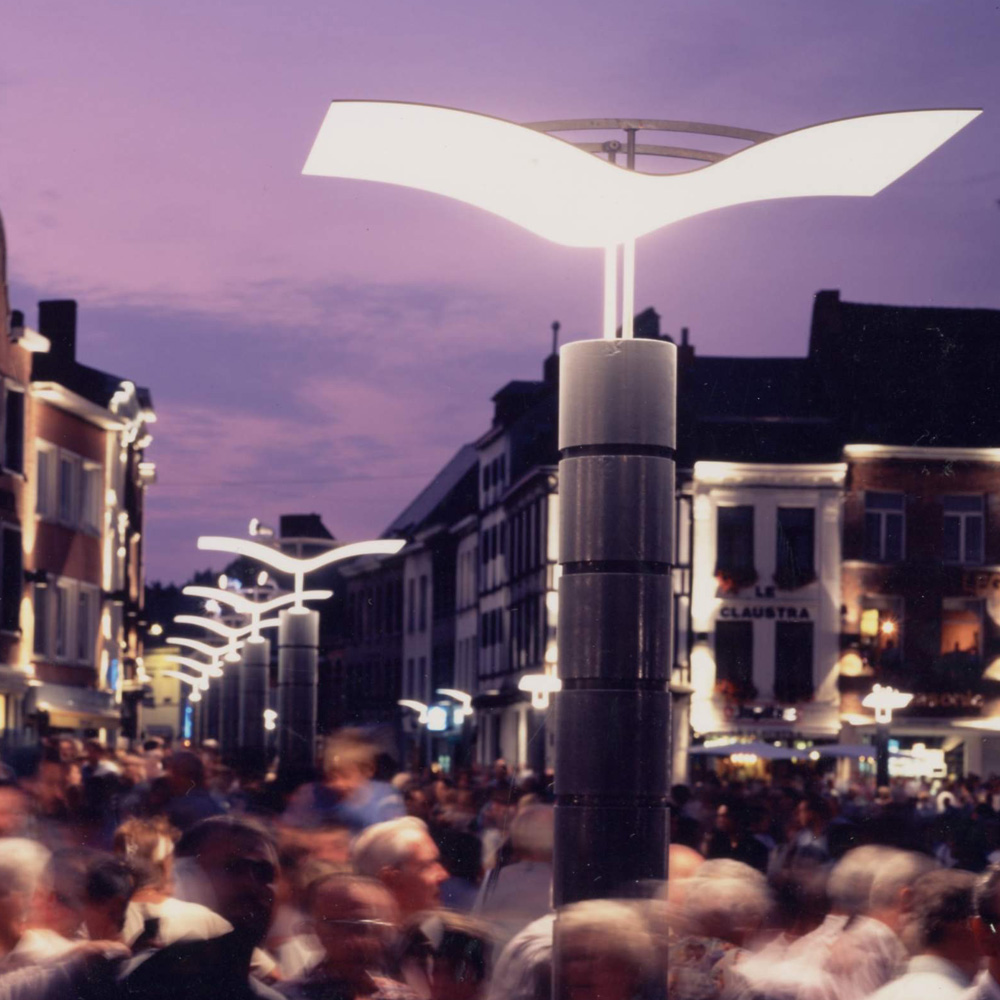
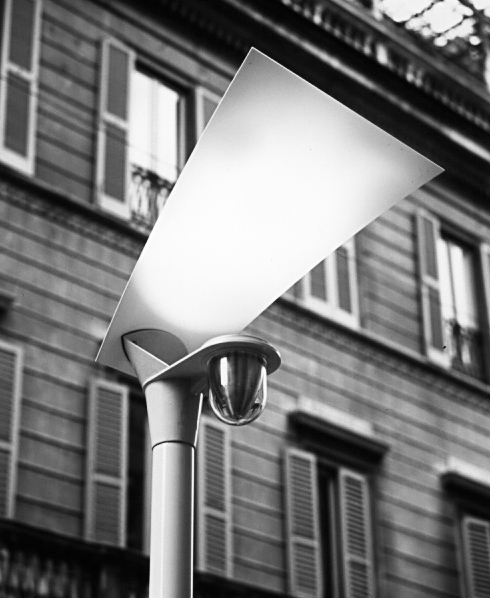
Fully electric, biocomposite, three-wheeled two-seater sports On a pitch-black night, suddenly, you can see shooting stars. When luminance is low, eliminating light pollution and high light intensities removes what constricts the retina. All it takes is a spotlight or match to provide a glimmer of light for the surroundings to appear dark.
In contrast to a very focused light, because it is projected onto a surface, the light source produces a wider beam. As luminance decreases with the square of the distance, there is no need to use high luminance levels or intensive power levels.
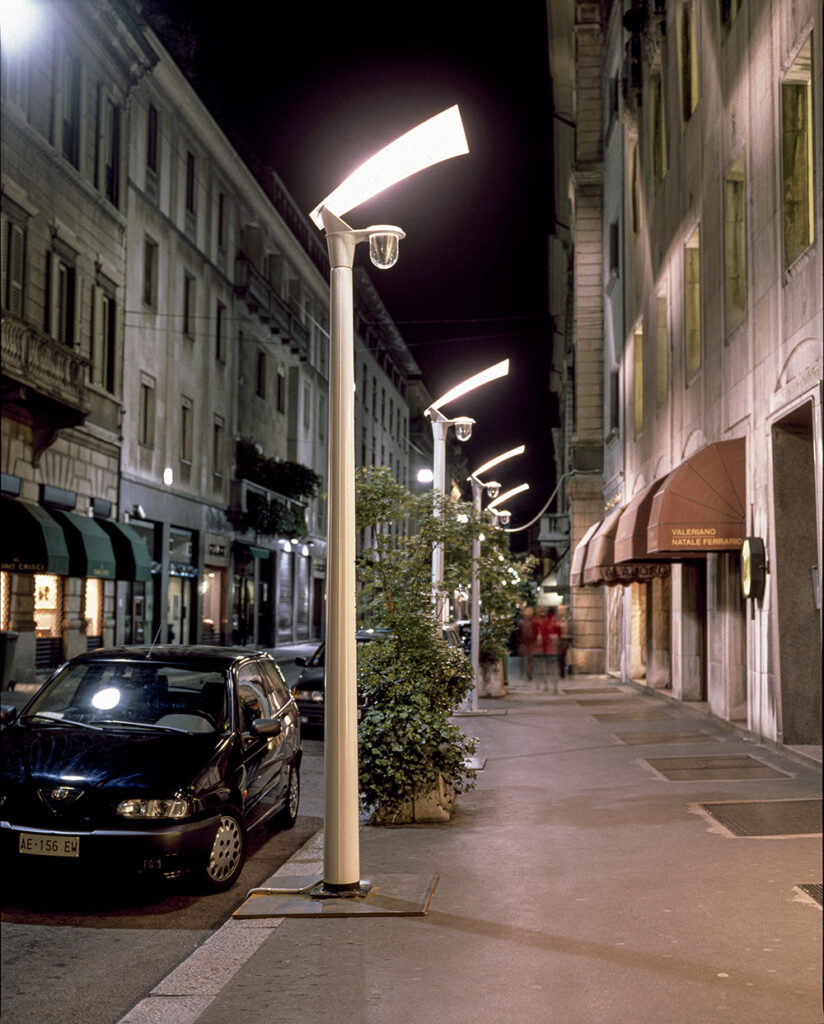
In the dark, even the faintest light source takes on a special intensity. A shooting star, match or simple point of light is enough to make everything around it appear darker. With Hermès, my aim was to allow the eye to rediscover its ability to perceive the nuances of the night, by reducing light pollution and excessive intensity.
In contrast to a dazzling source of light, the light is projected onto a surface to widen and soften the beam. It is therefore not necessary to use high-intensity lighting to structure the space.
By designing streets and squares in this way, as if they were interiors, grand theatres emerge – stages where passers-by can feel like actors.
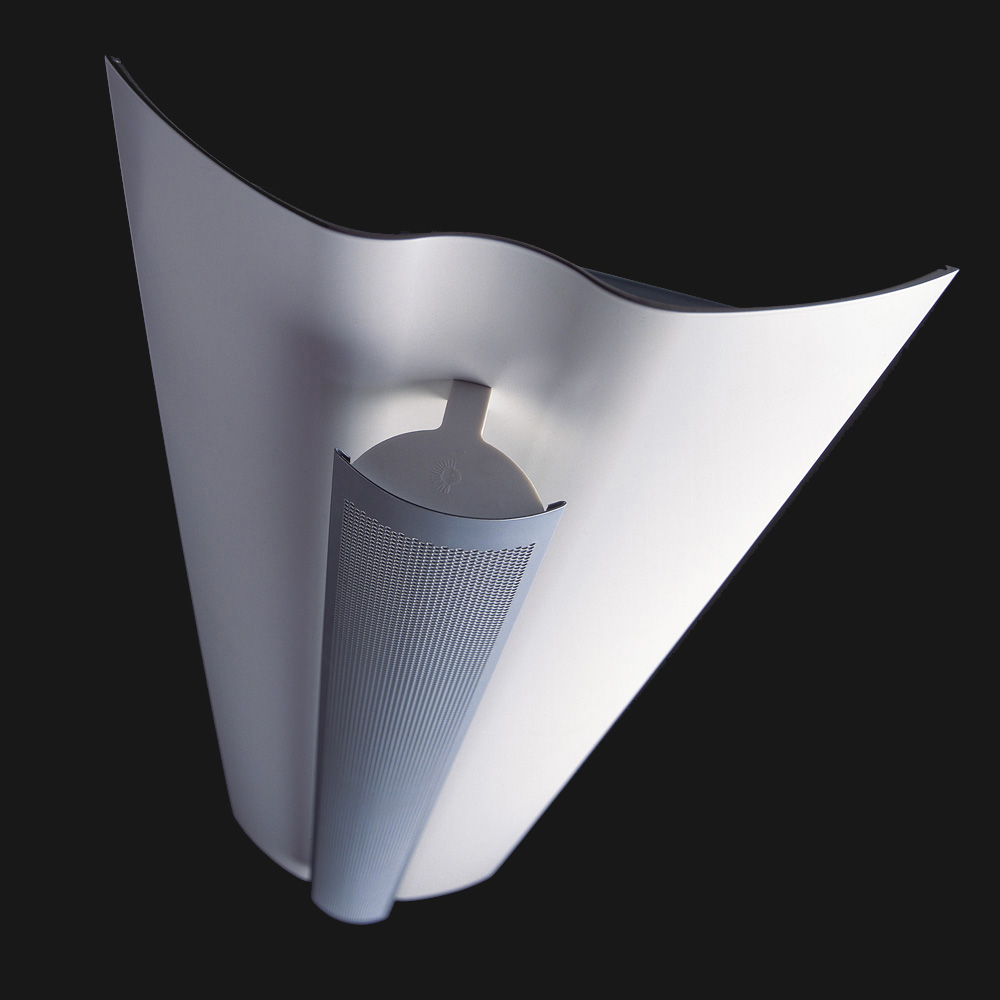
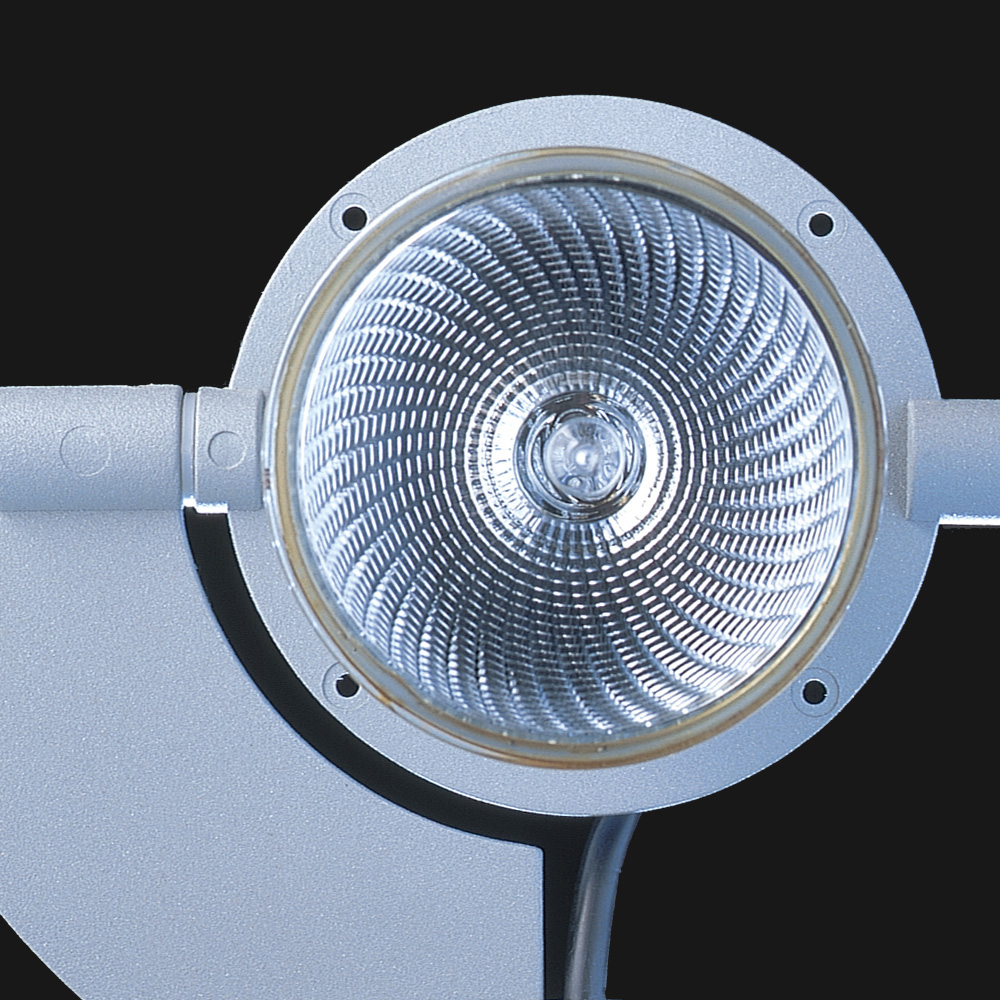
13_Moonlight, 1987. Pyrex glass and
stainless steel, detail. Production: Moonlight
Design. Photo ©️ Jean-François Dewitte
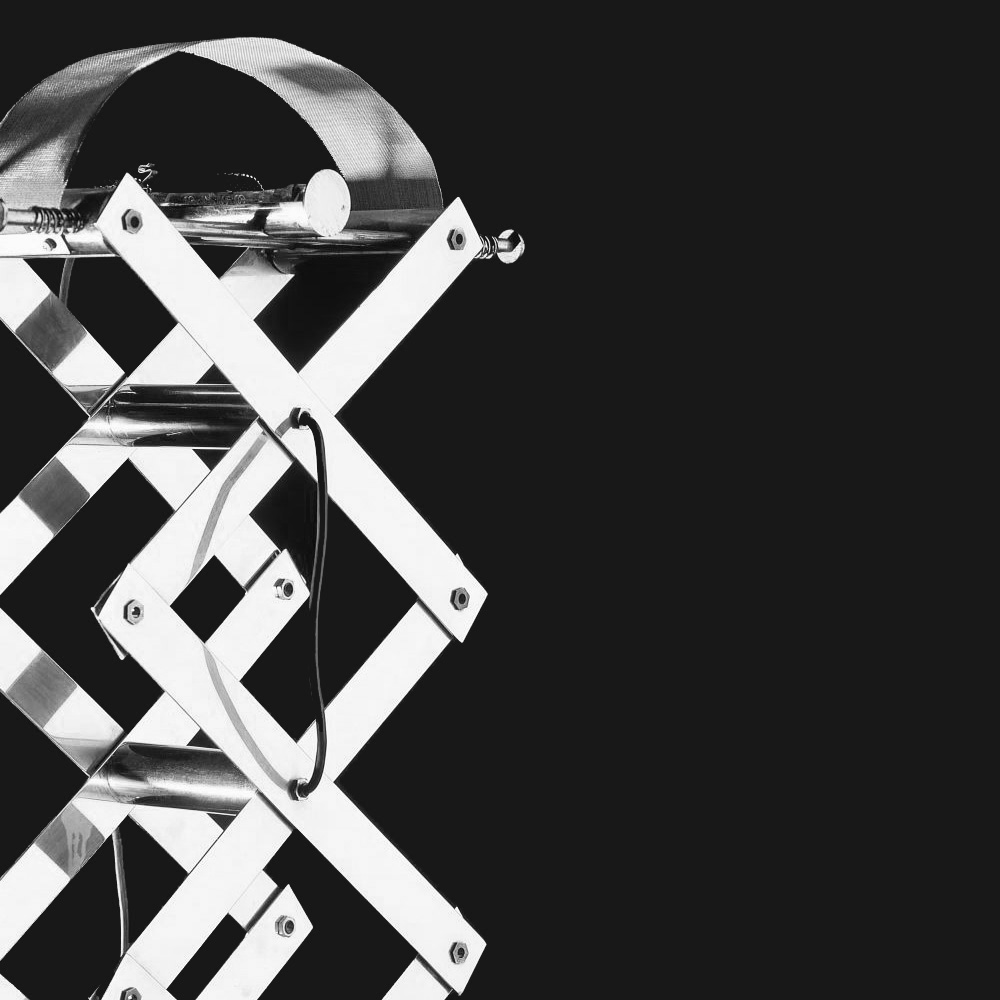
14_Paradoxe, 1990. Pyrex glass, stainless
steel and curved aluminium sheet, 60 × 90
cm. Production: Moonlight Design. Photos
©️ Jean-François Dewitte